ZANUS AI FOR FORENSIC AI & RECOGNITION — CASE REPORTING
Case reporting, drafted and on the record.
Examination reports to requesting agencies, status updates on open submissions, court-ready summaries for prosecutors — drafted by the AI from confirmed findings in the case record, queued for examiner approval. Nothing leaves the lab without a signature, and every delivery is logged.
Controlled tenant or air-gapped lab server · unlimited examiners · chain-of-custody-grade custody
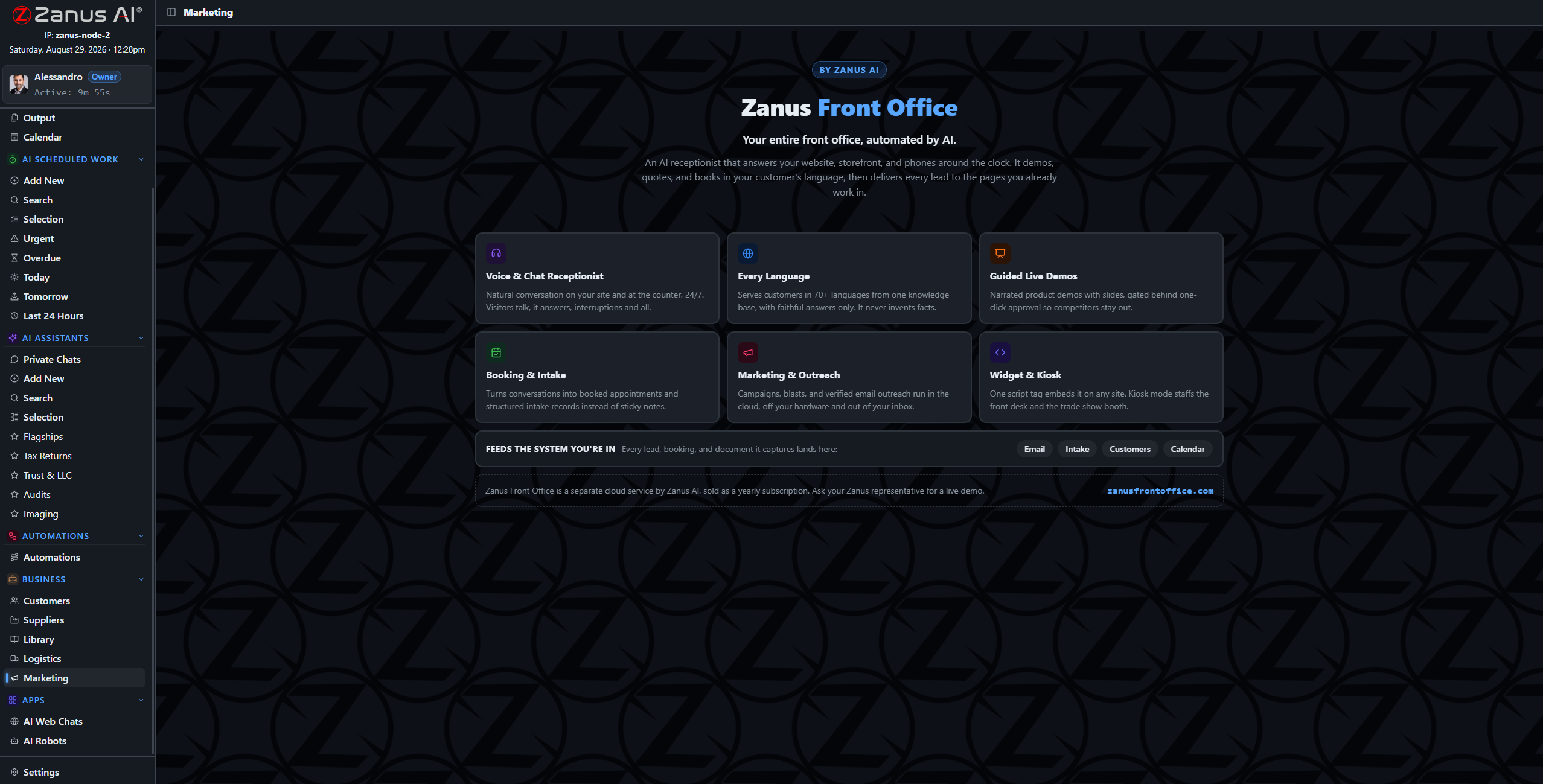
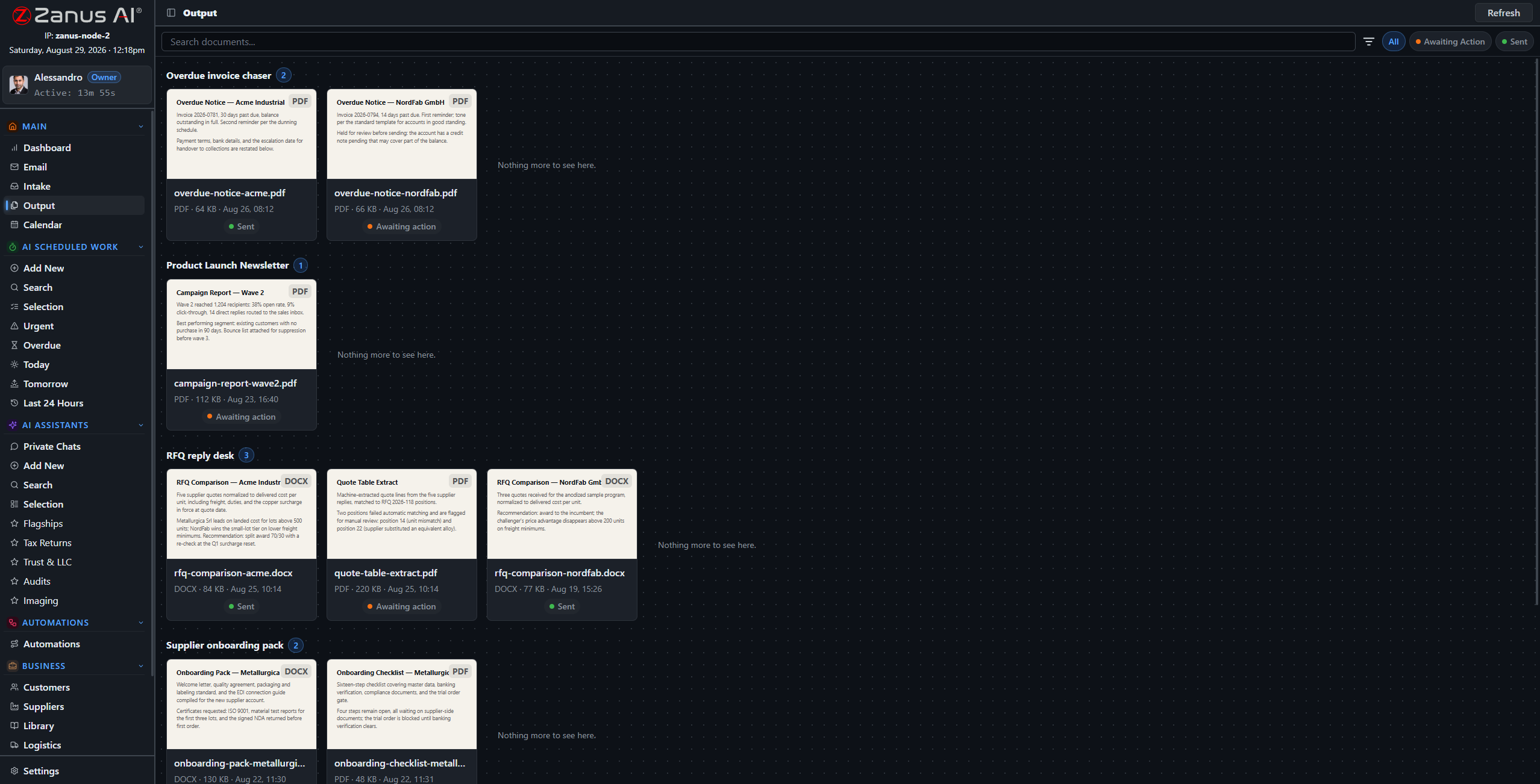
Reports and status updates drafted from the case record — every one awaiting examiner approval.
What it does
The report draft pulls exclusively from examiner-confirmed results: methodology, media inventory, findings with file-and-timestamp citations, limitations noted.
Weekly status digests to each requesting agency, drafted from the case queue by your disclosure rules — the detective stops calling, the examiner stops repeating.
Every outbound report and update lands in the approval queue. The examiner signs; the system records who approved what, when, and to whom it was delivered.
From confirmation to court-ready, the same day
The examiner confirms the final matches Thursday morning. By noon the AI has drafted the examination report in the lab format, the plain-language summary for the prosecutor, and the delivery letter — consistent because they share one case record — all waiting for the examiner’s signature.
- Drafts built from the confirmed case record only
- Consistent language across report, summary and letter
- Every delivery on the audit record

The prosecutor’s questions, answered in kind
Follow-up questions about methodology or a specific finding are drafted into responses citing the examination record — for the examiner’s review — so trial preparation draws on the file, not on memory.
- Responses cite the examination record
- Approval workflow per correspondence category
- Full history of what was sent to whom
Questions, answered
Is this marketing software?
It is the same outbound module commercial firms use — configured here for formal case reporting: drafted from the record, signed by examiners, logged. A forensic lab has no use for campaigns; it has every use for consistent, auditable reporting.
Can it prepare testimony support?
It can assemble the examination timeline, the methodology summary and the exhibit list from the case record for the examiner’s trial prep — what is said on the stand remains entirely the examiner’s.
See it working on YOUR lab — the demo IS the product.
← Previous: Automations · Sharing with a colleague? 📄 Get the PDF · ✉️ Email this page ·