ZANUS AI FOR ENTERPRISE OPERATIONS — PLAYBOOKS
One definition of every metric.
Half of enterprise reporting arguments are definition arguments: what counts as churn, when an escalation is Sev-1, which exchange rate the rollup uses. In Zanus, playbooks, runbooks and definitions are living documents — answerable, versioned, and wired into every AI work that reports.
Private tenant or your own servers · your whole team · SOC-2-aligned deployment path
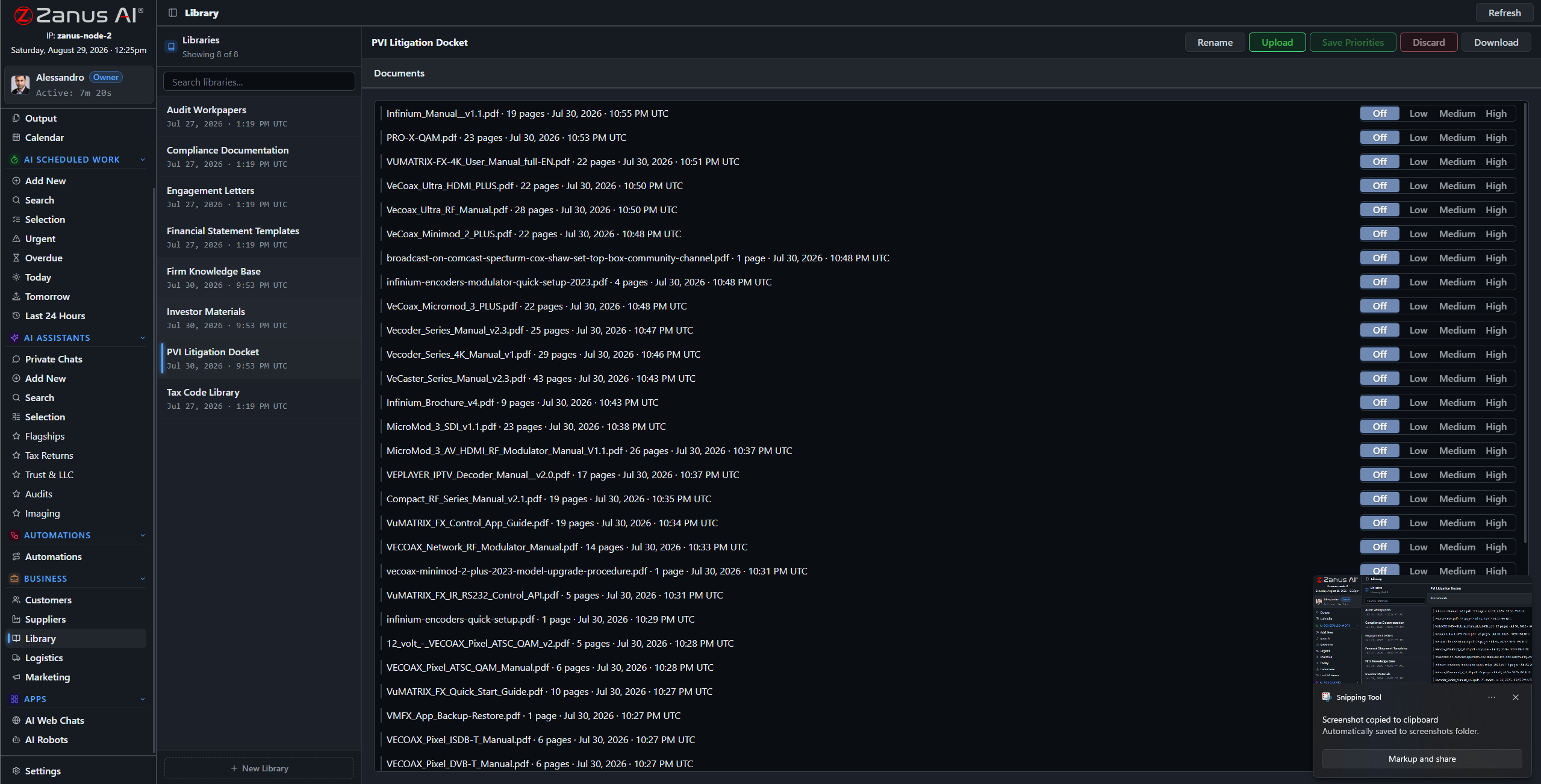
The playbook library: ratified definitions on top, drafts outranked — the arguments end at the source.
What it does
The AI compiling the Monday digest reads the metric definitions by construction — every report, every week, computed the way the ratified playbook says.
“Major outage, step four?” — the on-call lead asks and gets the current runbook step with the document attached, not a stale wiki page from two reorgs ago.
Who gets paged for a Sev-1 in region East on a Sunday? The playbook answers in seconds — and the automation canvas can execute the same path it describes.
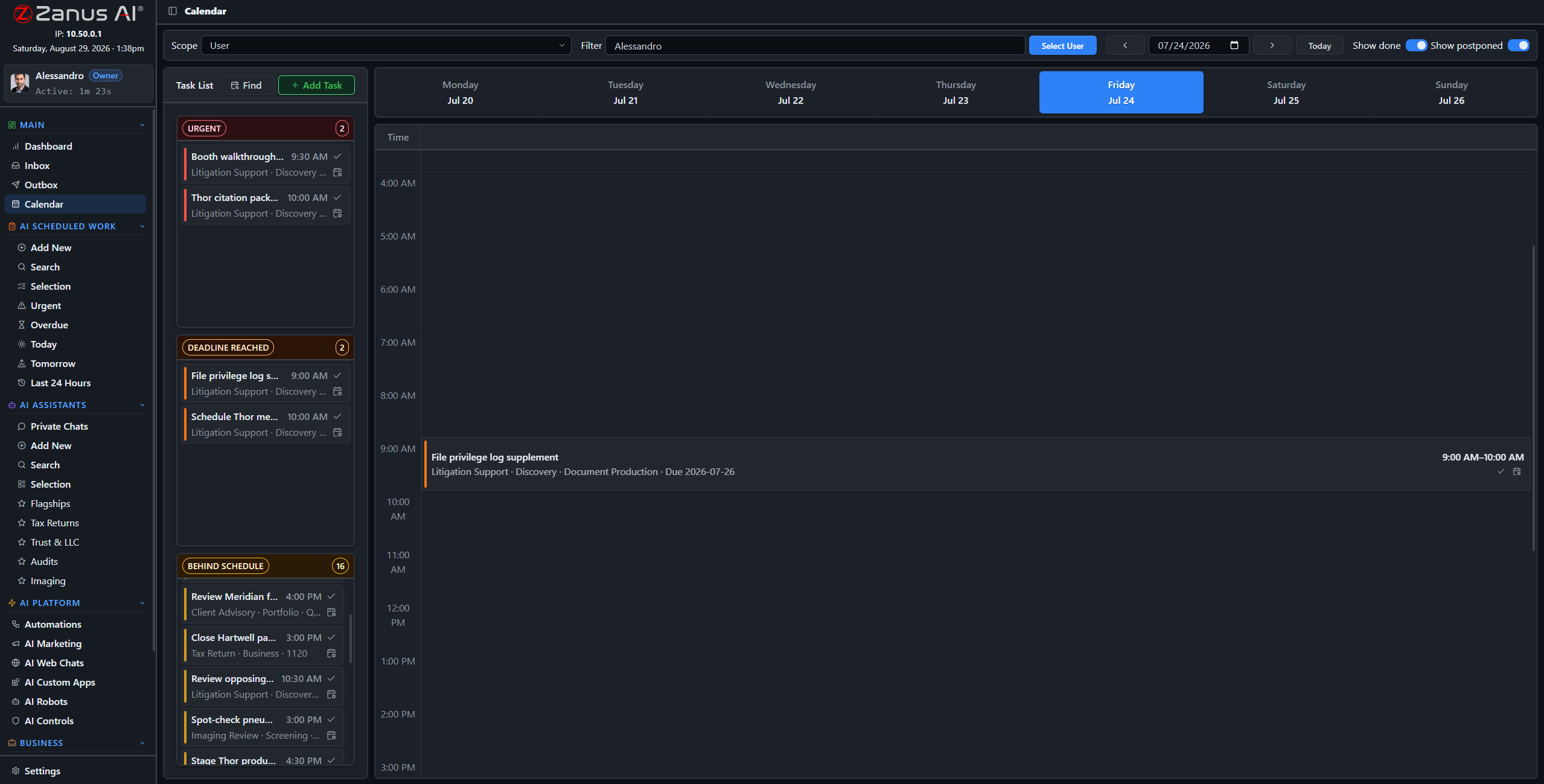
Governance of the playbooks themselves
Quarterly definition reviews, runbook freshness checks and post-incident playbook updates run as recurring AI works: drafts proposed from what actually happened, humans ratify, the new version goes on top — and every dependent report updates its behavior instantly.
- Review works keep playbooks confronting reality
- Ratification is human; propagation is instant
- Superseded versions archived with their dates
Questions, answered
Different divisions define metrics differently. Now what?
Keep divisional definitions in divisional libraries where justified — and let the corporate library govern the rollup. The priority order makes the hierarchy explicit instead of political.
See it working on YOUR enterprise — the demo IS the product.
← Previous: AI Workforce · Sharing with a colleague? 📄 Get the PDF · ✉️ Email this page ·